

Up front and personal with Canadians who are living with diabetes.
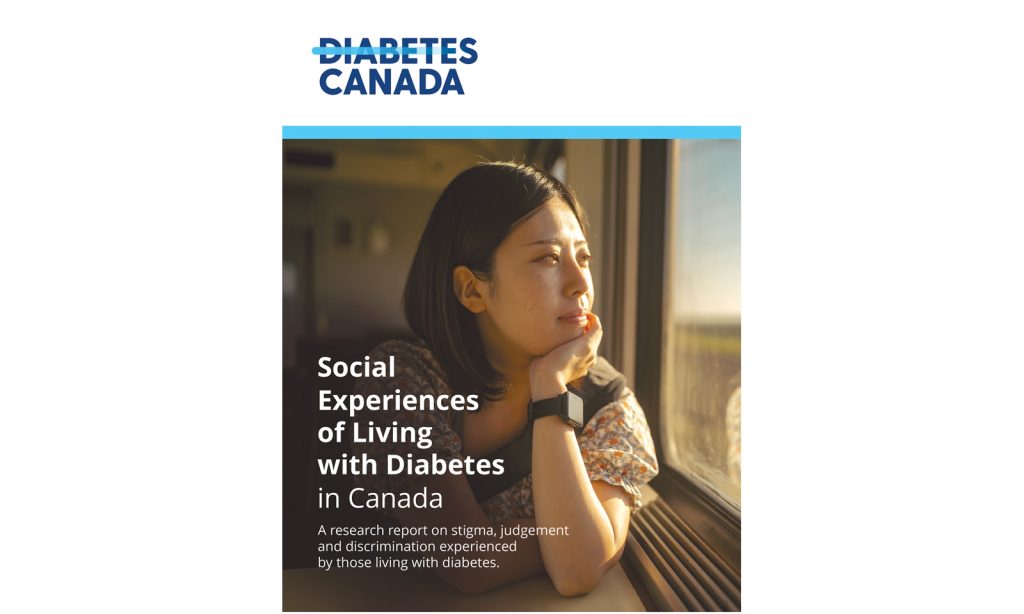
A first-of-its-kind national survey, by Diabetes Canada in partnership with Environics, was released late as part of their initiative to change the conversation around diabetes. Called, “Social Experiences of Living with Diabetes in Canada: A research report on stigma, judgement and discrimination experienced by those living with diabetes” as part of their initiative to change the conversation around diabetes.” The survey collected data from 786 people living with type 1 diabetes and 1,013 people with type 2 diabetes.

Key findings show that people can experience diabetes distress, stigma and challenges with support that impact their health and quality of life. These are some of the findings:
• Nearly 90% of people living with type 1 diabetes and nearly 70% of people living with type 2 diabetes experience shame and blame for their diabetes.
• With the misconceptions, judgements and biases people living with diabetes encounter can perpetuate a cycle of isolation and inequality.
• People living with diabetes often refrain from asking for support, speaking up to articulate their needs and taking part in activities to improve their care.
• The majority claim to experience a “general worry about their future and the possibilities of serious complications that come along with diabetes”.
• A significant number of individuals must also deal with being blamed for their diabetes, unfair assumptions about what they can and cannot do and judgements when consuming certain foods.
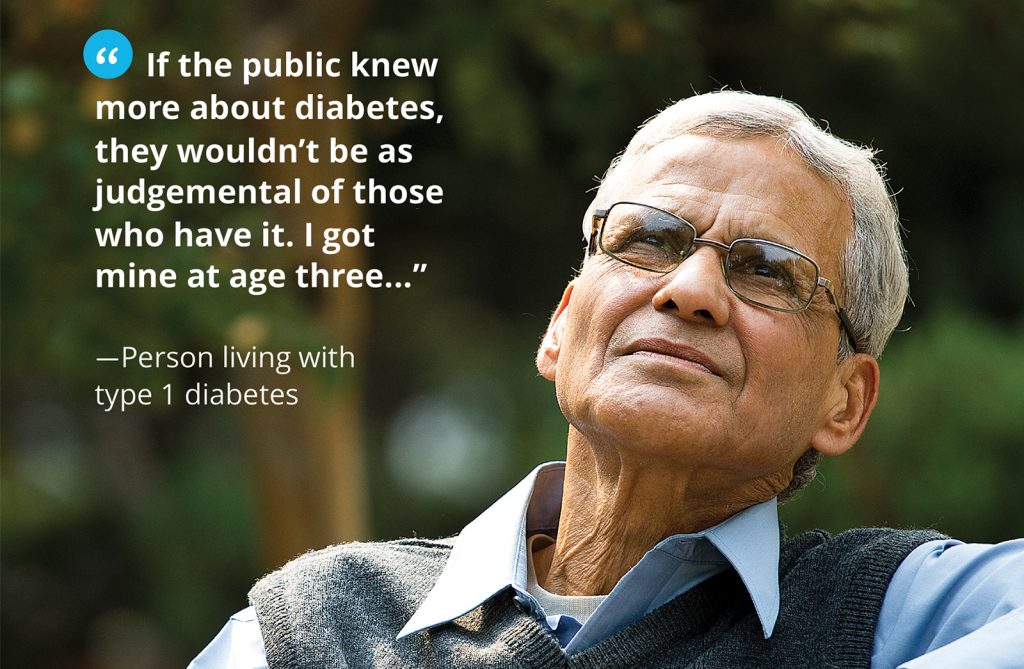
With the release of the report, Diabetes Canada is challenging Canadians to let go of the misconceptions that fuel stigma and help change the conversation to make a positive difference, for Canadians diagnosed with diabetes.
Abbott also recently launched a new survey and film about diabetes stigma as part of their Above the Bias initiative. The initiative highlights how everyday comments may affect people living with diabetes.
According to Abbott’s study, ten per cent of Canadians, many of whom face barriers to receiving diabetes related care. There are also more than six percent of Canadians who have prediabetes.
Whether it is shame that causes silence, bias, misinformation, peer pressure or stigma, research shows that there can be real, often unnoticed health consequences for both men and women. Abbott’s survey data was collected from 2600 people from eight countries, Canada, Japan, Ireland, Italy, Japan, the United Kingdom and the United States. Results showed:
• Nearly 40% had an elevated physiological response to stigmatizing statements even if they didn’t show outward signs or expressions
• Nearly 70% believe there is a stigma associated with their diabetes
• 85% say they have seen inaccuracies about diabetes on TV, movies or social media
• 40% felt diabetes is often used as a punchline for a joke’
• Almost 25% avoided telling family/friends out of embarrassment or concern
• 40% have skipped or missed a doctor’s appointment due to shame or stigma.
Support leads to progress however with nearly 70% of respondents revealing their belief that supportive comments from others can boost their motivation to manage their condition.
To read the full report, visit www.diabetes.ca/changetheconversation.
Photos: Diabetes Canada