A look at walking speed as a health indicator
‘”‘These boots were made for walking’ is an old, well-known song lyric that rings true. It has been said that walking is cheaper than therapy—good for solving problems, clearing one’s head and reconnecting with nature.
A low impact and affordable way of getting in the recommended one hundred and fifty minutes of moderate exercise per week, walking is a healthy pastime with widespread benefits for people of all ages. Aside from increasing life expectancy, improving circulation, cardio, breathing, sleep and mood, walking strengthens muscles, supports joints, increases bone density and helps with stamina. Metabolic and energy boosting benefits as well as a decreased risk of Alzheimer’s disease and a lower rate of mental decline are also reported. Even short walks, referred to as ‘exercise snacks’, provide significant health benefits.
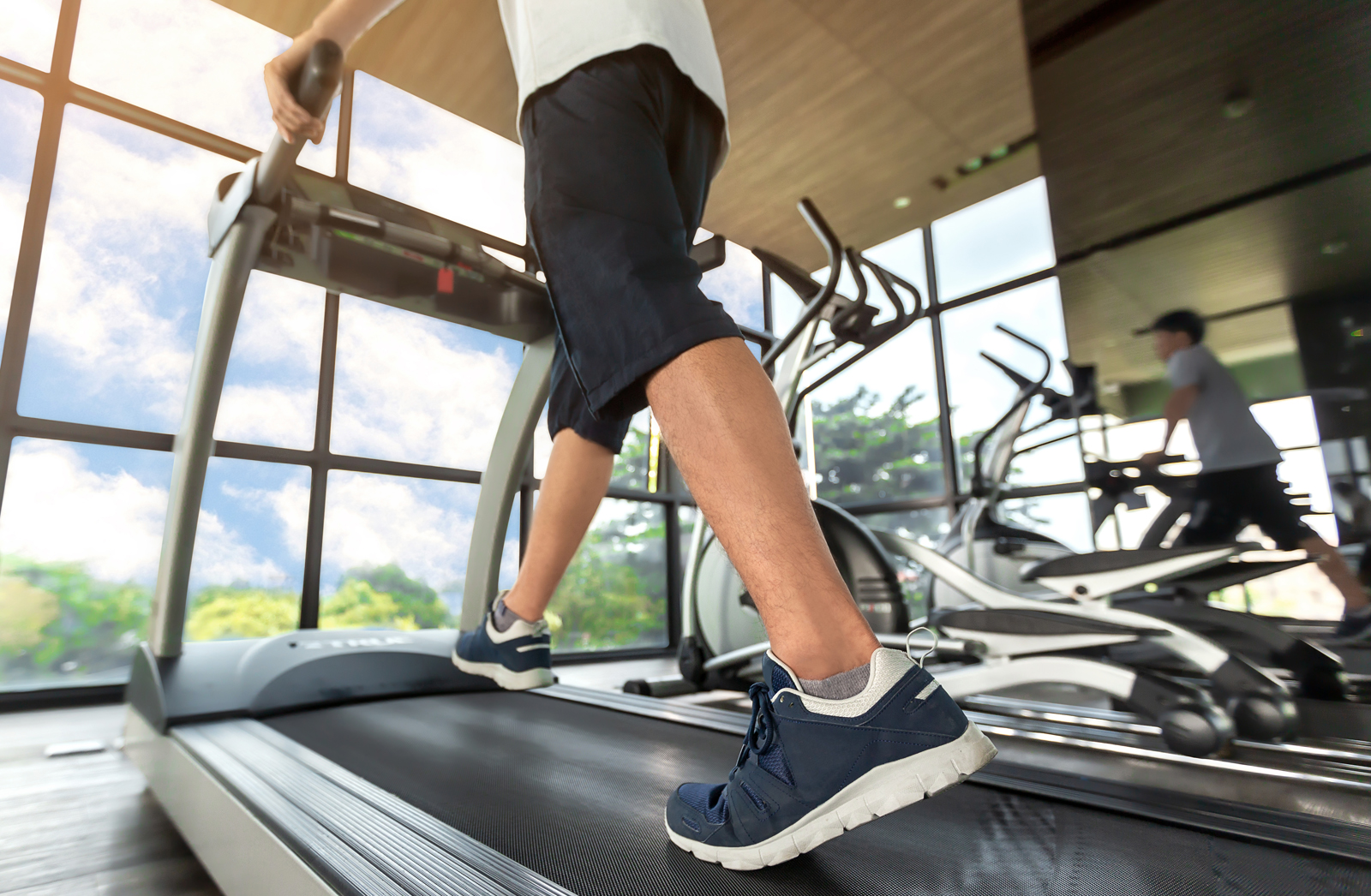
Walking pace matters, it seems, for a variety of reasons which are often not discussed. A faster, brisk pace of 4 miles per hour offers some additional benefits. Infact, “walking briskly for most of a person’s life decreases biological age by an average of 16 years once they reach midlife” according to findings from a large UK Biobank study.
That said, three miles an hour (mph) is the pace that the average health person walks, (100 or more steps a minute or between a fifteen-and twenty-two minute mile). And, a leisurely stroller can cover 2 miles an hour, but does speed and intensity matter?
When walking speed slows as a function of aging and reduced fitness levels, there’s usually cause for concern. Experts suggest that a person’s walking speed will normally decrease as they age with a reduction of 2.75 mph between 50 and 59 to 2.7 at 60 and 2.1 at 65 and over. And, these slower walking speeds have been linked to increased risk of falls, reduced physical activity, lack of strength and diminishing flexibility—and even cognitive decline.
Tips worth considering and sharing with clients: Try simple training exercises to improve leg and core strength, stability and flexibility for full stride and efficient movement. Brain retraining exercises such as practicing speed safely at short distances, changing directions, dual tasking by walking and counting, walking figure eights and stepping over objectsare good balance challenges.
The take away—walking speed is more than just a number, it’s a work in progress. It’s an indicator of mobility, independence and overall health that deserves more awareness and attention.
Caroline Tapp-McDougall
Editor/Publisher
caroline@bcsgroup.com
Image: Shutterstock