A call to raise the bar
There’s a quiet but important shift happening in how we think about accessibility—and it’s laid out in the 2025 Accessible Built Environment Standards Final Recommendations Report.
More than a technical update, this report reads like a call to action on what inclusive spaces should actually feel like.
For years, accessibility standards have focused on meeting minimum requirements. But as many in our community know, “meeting the standard” doesn’t always translate to buildings that meet the needs of people who live with disabilities. This latest set of recommendations challenges that baseline, pushing for spaces that are not just technically accessible, but usable, intuitive, and welcoming.
Thinking beyond ramps and door widths
The report highlights the everyday experience of moving through a space. It talks about measuring how easy it is to find your way, how clearly information is communicated, and how confidently someone can navigate independently. Improved wayfinding, more thoughtful layouts, and clearer signage all play a role in creating environments that work better for more people.
Older can be wiser
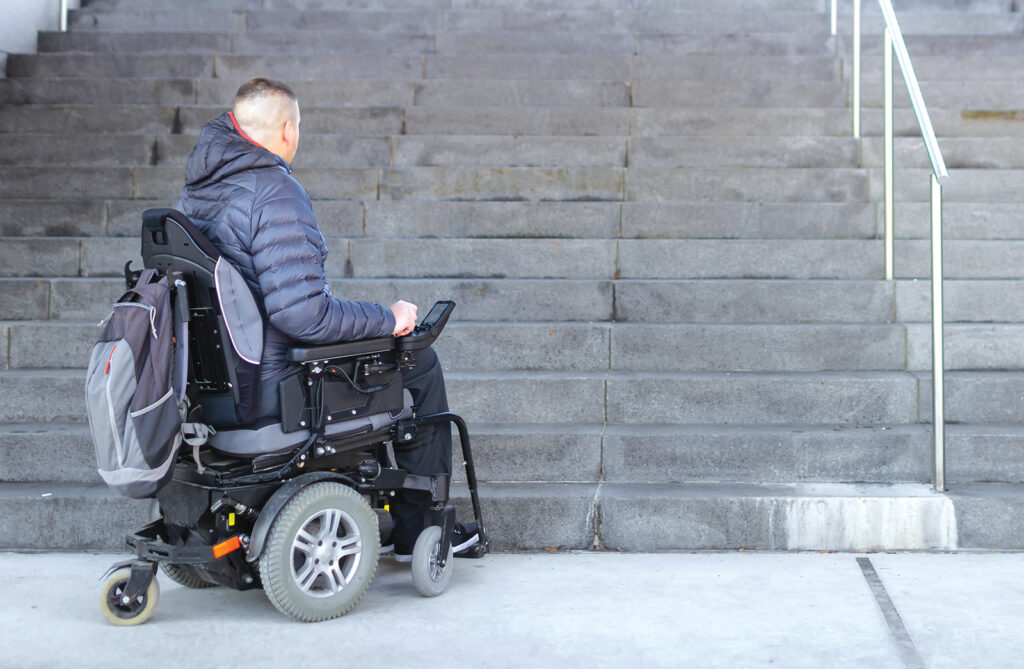
Importantly, the conversation doesn’t stop at new builds. While modern construction has made strides, many existing spaces still present substantial barriers. The report places a strong emphasis on retrofitting older buildings, recognizing that accessibility gaps are already part of daily life for many Ontarians.
There’s also a push for something less visible, but equally impactful: education. By strengthening training for the professionals who design and build our spaces, the report aims to embed accessibility into the decision-making process from the very beginning—not as an afterthought, but as a given.
The bigger idea
And then there’s accountability. Clearer enforcement measures are proposed to ensure that standards are not only set, but followed. Because without consistency, even the most well-intentioned guidelines can fall short.
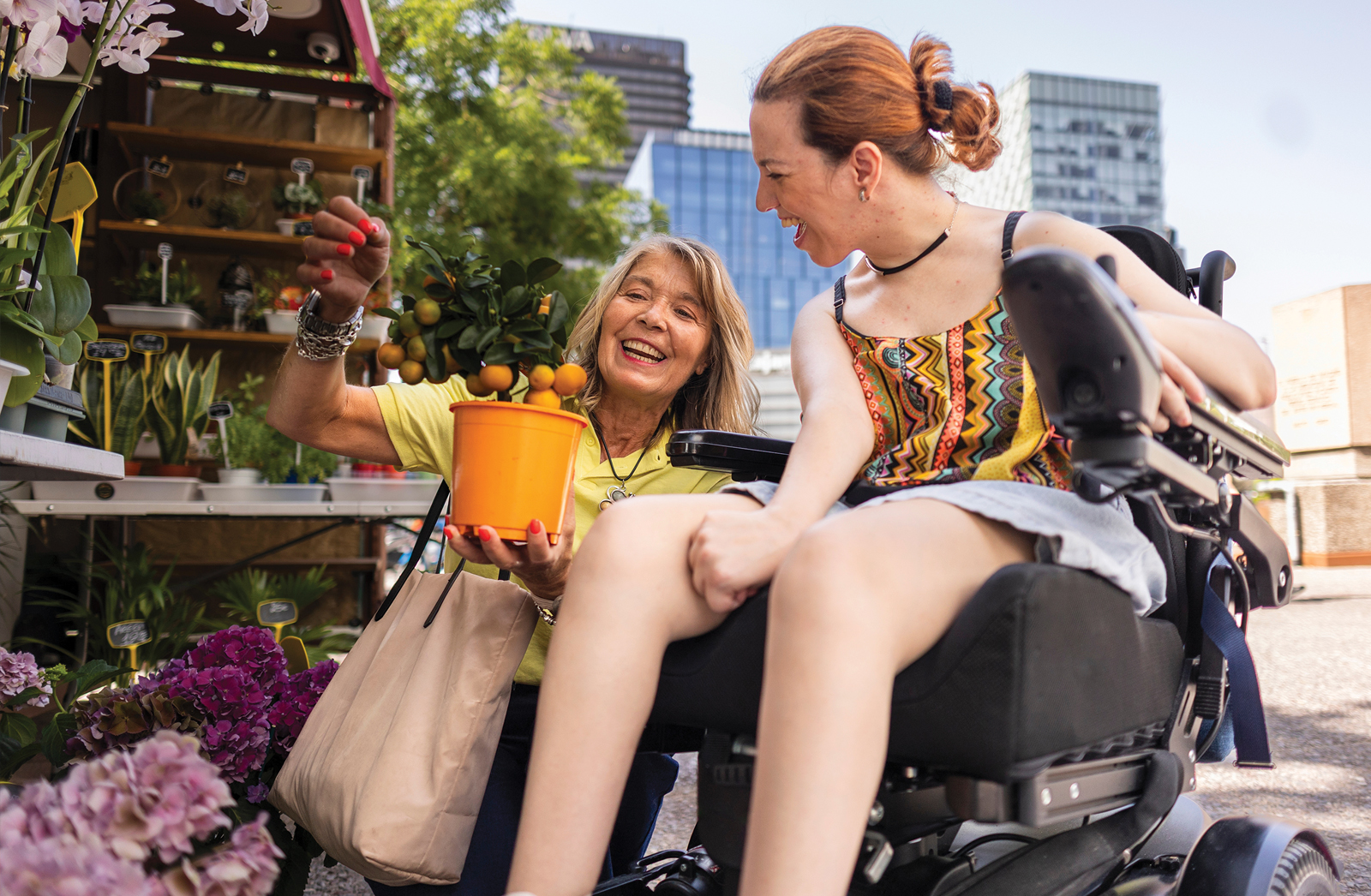
What emerges from all of this is a bigger idea: accessibility as a shared benefit. From wheelchair users to parents with strollers to older adults, better design creates smoother experiences for everyone.
If adopted, these recommendations won’t just change buildings—they’ll reshape expectations.
To read more, visit: https://www.ontario.ca/page/improving-accessible-built-environment-standards-2025-final-recommendations-report
Photos: Shutterstock