
Helping to see the persons in person-centred care
As caregivers, you have a special role – one that is rewarding and needed. However, it’s sometimes hard to convince people of the multi-facet role you play on a daily basis. As a caregiver you’re a nutritionist, a pain management specialist, a personal care provider, a language instructor and more. But, in the chaos of challenging lives, all that can get lost.
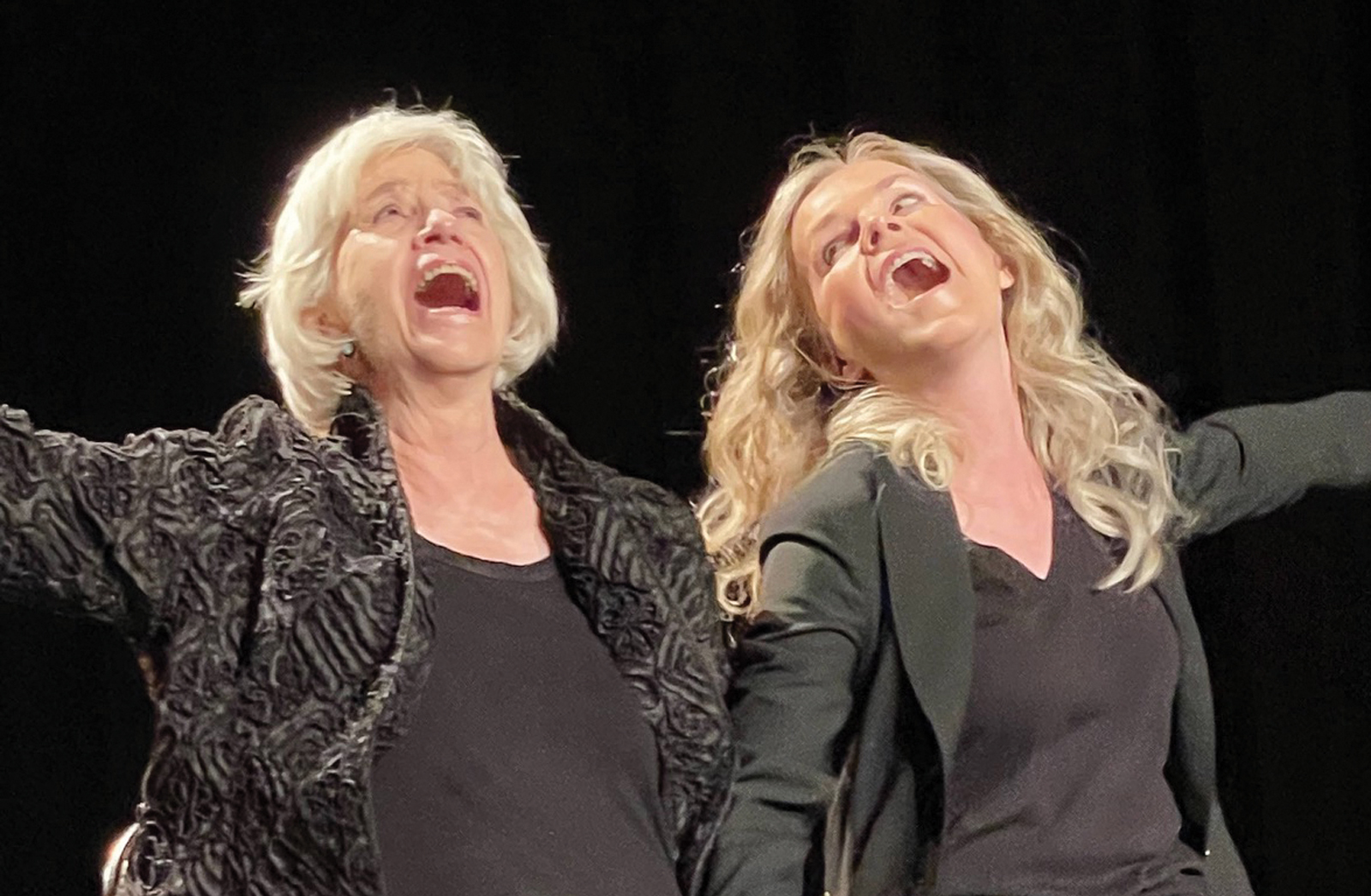
Across the health care system, family members and care professionals are learning more about providing person-centred care – the type of care that addresses an individual’s personal needs, likes and preferences. One way the care you provide can be better understood is in a life performance or play with live actors portraying caregivers.
Telling stories: Theatre can bring stories to life in ways film or television can’t. It can highlight the diversity of the caregiving role and shed light on the family, and medical team responsibilities. A live performance can move you in a more personal way. When you see and hear real people on stage, the message is clear as they seem to be talking directly to you. When you watch the performers struggle, you feel their struggle, their burnout and, conversely, their joy.
Stage right: A study published by the journal Psychology Today found that live theatre improves empathy and has the ability to change attitudes. The intimacy between you and the performers stirs the emotions in a way other types of entertainment cannot. A play is a one-time thing. You can’t stop it or rewind it. You are more present at a play than at a movie or TV show. A play is designed to move you, to present scenarios that make you think.
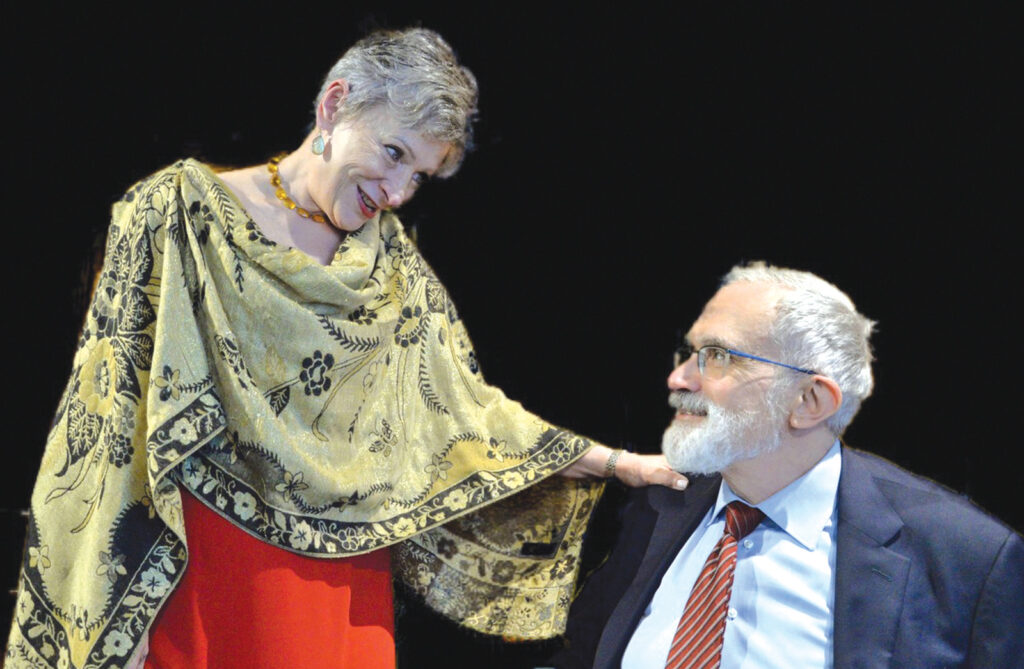
Real people, real situations: A theatre group called Moving Scenes was created to do just that – to portray real people in real situations. Perhaps you’ll see yourself as the caregiver you are – someone who cares for someone with dementia, or another challenge. A play can give you a glimpse into the fuller life of the person you’re caring for and or how others around them see you and them.
Moving Scenes: A registered charity, act2studioWORKS is part of the Chang School of Continuing Education which is associated with Toronto Metropolitan University. Moving Scenes travels all around the province and delivers theatrical productions on health and later life issues. They have performed for organizations like church and community groups, senior’s groups and long-term care and assisted living facilities. Using the power of theatre, their goal is to help create greater understanding of the complexities of day-to-day living for persons and their caregivers. Performances are followed by a Q & A session, often facilitated by a representative from the organization that supports the issue. For example, a play on dementia will likely be followed by a question and answer with some people from the Alzheimer’s Society.
Travelling plays: Moving Scenes currently has two plays, both based on research and supported by caregiver organizations, or the Alzheimer’s Society or other associations.
1) Talking Matters is a moving discussion about the power of language in caring for the cognitively impaired.
2) I’m Still Here! explores the realities and challenges of managing cognitive decline for persons living with dementia and their caregivers. Most of the words were originally spoken by people living with dementia and their caregivers. They were collected as part of a qualitative research and research-based theatre project.
A truthful contribution: The Public Education Coordinator for the Muskoka Alzheimer’s Society had this to say about I’m Still Here. “The performance was more than just a play – it was a powerful act of storytelling, healing, and visibility. Each scene carried so much truth, and I could feel how much care and intention went into every aspect of it – from the direction to the performances to the structure of the show itself. It created space not just to witness, but to reflect and feel. It was generous, raw, and brave.” And an audience member said that ‘Talking Matters’ was “a tender and informative exploration of cognitive impairment that urges us all to think carefully about how to communicate with our aging loved ones.”
Anyone can organize a Moving Scenes performance for their own community. Just contact volunteer Mary Kelly, maryk4448@gmail.com for details.
Photos: Chang School of Continuing Education