
Over the past decade, disease prevention strategies have becoming increasingly popular with a range of tools and tips being delivered to our in-boxes with increasing regularity. It’s become not just about living longer but living well.
However, European researchers presenting a 2025 Better Health Report have some interesting insights to share. They claim that one-size fits-all prevention strategies have been left at the starting gate in many jurisdictions. Rather, they report an interesting diversity of behaviours that are tied to an individual’s mindset, motivation and personal context. Depending on age, region and income level, awareness of the need to make healthy life choices can, research shows, be anywhere from distant to disciplined. Interestingly, their work also shows that fitness improvement and mental wellbeing were de-prioritized when it came to prevention.
The use of AI to help with awareness and disease prevention did enter the conversation with 55% of participants suggesting artificial intelligence had no role in their awareness levels or decisions. The remaining 45% said that while they use it, they treat chat box advice as secondary preferring to trust live advice. Any AI use was described as supplemental with the compelling need to fact check.
Drivers for the younger generation were both their digital fluency and their openness to new health content—but they proved slow on the uptake. When questioned, even as they claimed awareness of self-care strategies, this group’s journey from recognition to pro-active routines seems surprisingly lacking. Instead, adopted a ‘not-needed right now approach. Yes, they recognized the need for long-term investment to promote longevity in the future, they didn’t face any current consequences or any compelling reasons to act in advance at their age.
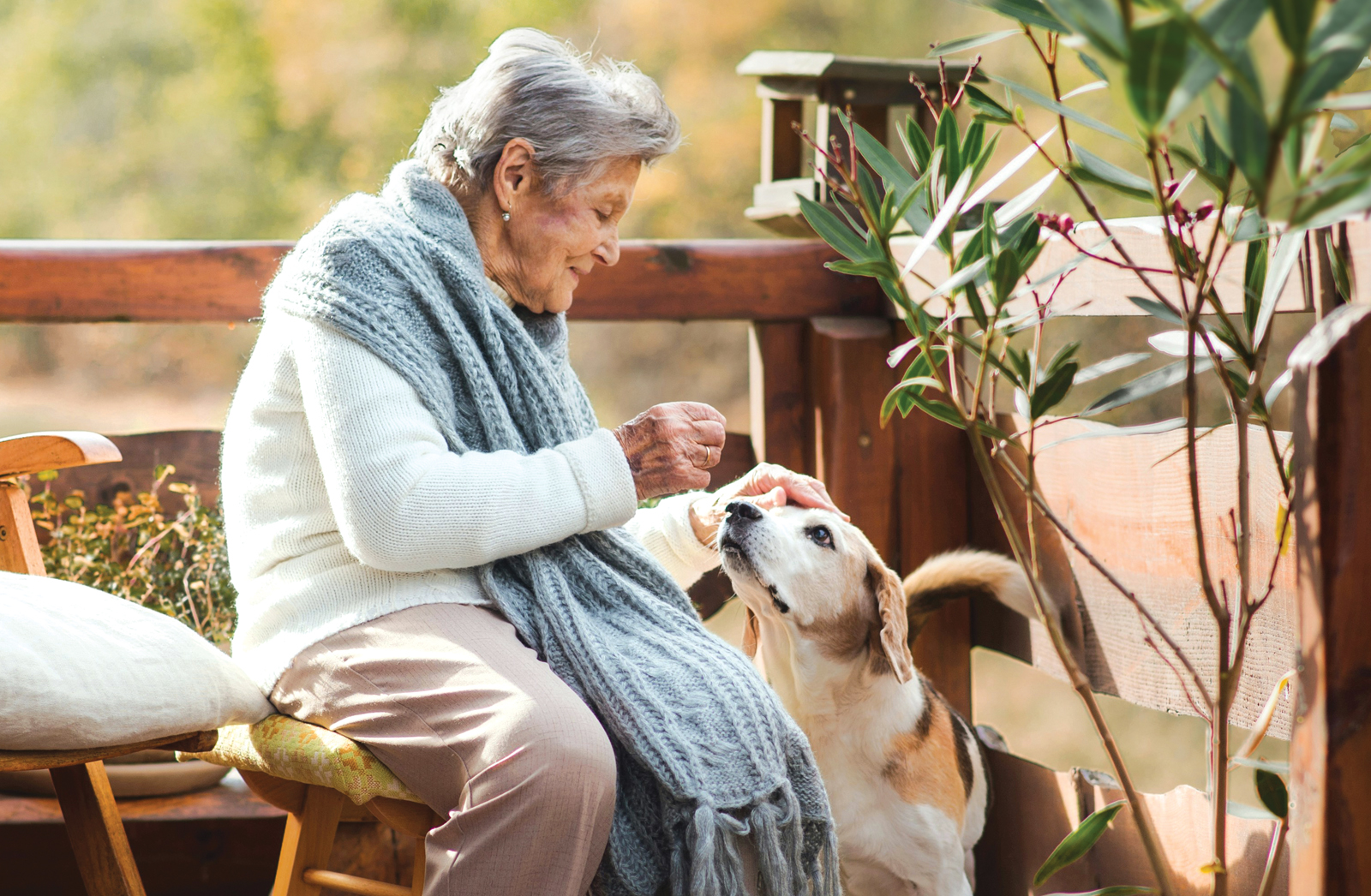
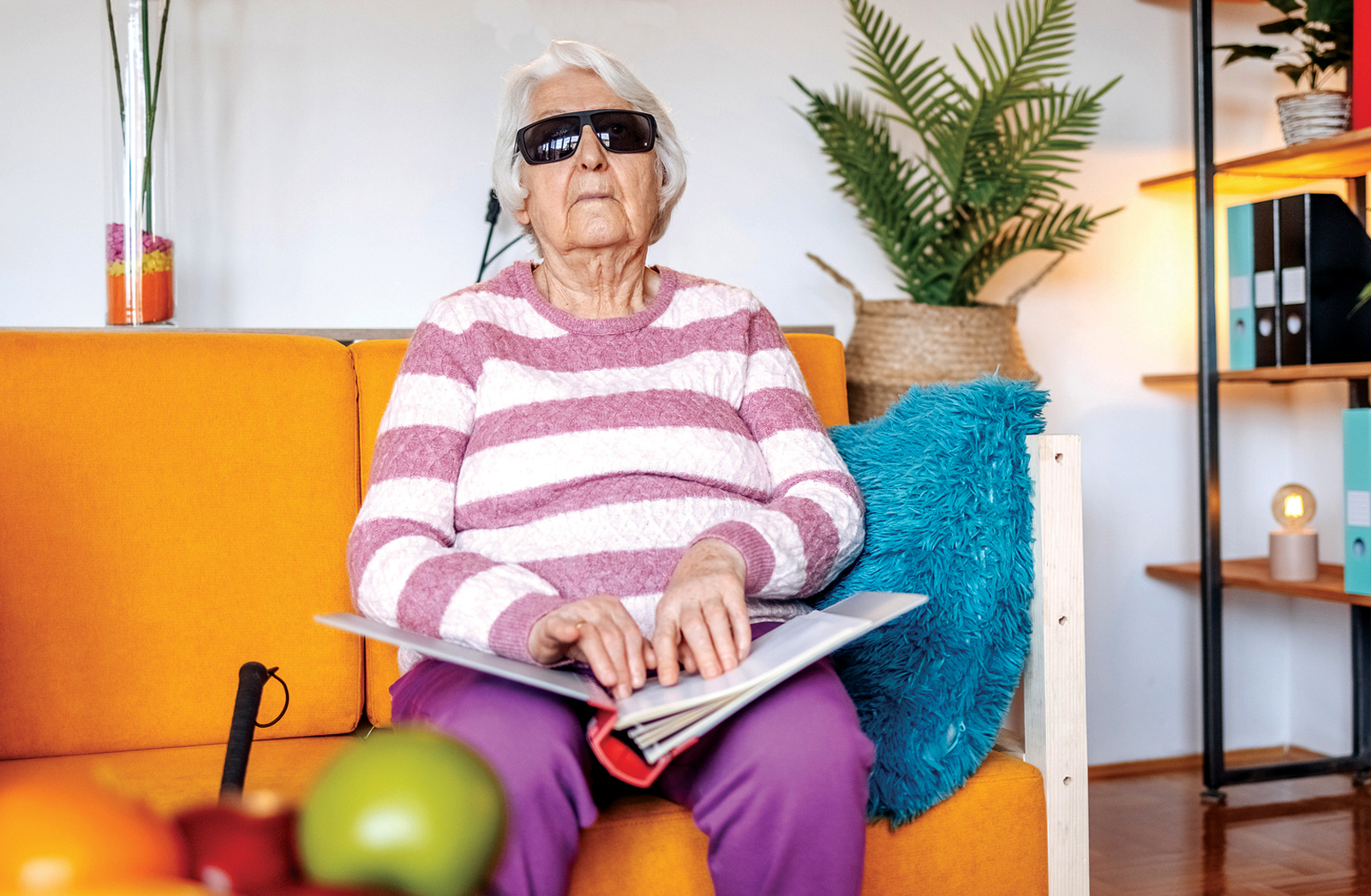
As people age, prevention becomes less about adding years and more about enjoying them. Older consumers with deeper life experience, were said to have a more grounded, daily quality of life approach. This was based on their personal and family experiences and showed them much more interested in prioritizing preventative measures that would help them to maintain their current health and lifestyle. Seniors also wanted to work to preserve their independence in whichever ways they could.
With both younger and older groups, awareness alone was unfortunately not enough to spur engagement in healthy activities. Lack of time, cost and confidence were also suggested as genuine barriers as well as the lack of what they referred to as “the right support eco-system”.
Clearly as the report suggests, activation begins with awareness but for all of us, and our clients, avoiding disease and prolonging life must become a clearer goal that truly and significantly drives behaviour at all ages.
Source: Better Health Report 2025.
Publisher/Editor
Caroline Tapp-McDougall
caroline@bcsgroup.com
Image: Shutterstock