
Medical AI wins diagnostics race
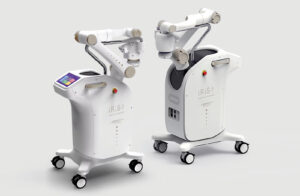
Microsoft AI Diagnostic Orchestrator (MAI-DxO) is a powerful new diagnostic system taking on challenges—and doing it with 85 % diagnostic accuracy. That’s said to be four times better than experienced doctors, and, even better, it produced results at a lower cost in over 300 tests.
To really test how well AI can handle real time clinical thinking, Microsoft created the Sequential Diagnosis Benchmark. It mimics the way doctors work through patient cases—asking questions, ordering tests, and adjusting based on new information. The benchmark uses real patient narratives and adds a cost to each decision, to balance accuracy with efficiency.
This kind of innovation couldn’t come at a better time. Healthcare systems are under pressure, with rising costs and too many patients facing delays or misdiagnoses. Because the company’s broader AI tools—like Bing and Copilot—are already part of over 50 million health-related searches and sessions every day, there continues to be an opportunity to build on the work of existing products. In 2024 also added consumer health initiatives to its existing lineup, which includes earlier tools like RAD-DINO for radiology and Dragon Copilot for clinicians.
All of this ties into Microsoft’s bigger goal: building smart, trustworthy AI that supports doctors, improves outcomes, and ultimately helps people around the world get better, faster care.
Source: Microsoft

Supporting a spouse with limb loss
When a limb is lost it requires empathy, patience, and a willingness to learn from family friends and employers. Professionals suggest that a spouse should start with education: details about limb loss, prosthetics, and the rehabilitation process. Understanding the medical and emotional aspects can also help a significant other provide informed, compassionate support.
Recovery is deeply personal. Tips include trying to be patient and encouraging open, honest conversations. Offer help with daily tasks while supporting their journey toward independence. Attending therapy sessions when possible and celebrate progress.
Connecting your loved one with peer support groups or adaptive sports events, offers powerful emotional encouragement and practical advice. These communities also provide support for caregivers/family members themselves.
Fostering a positive home environment, adapting your space for accessibility, and encouraging hobbies or past interests help your loved one regain confidence and purpose. Equally important is taking care of yourself. Caregiving can be emotionally and physically demanding, so lean on family, friends, and professional support.
As one caregiver, shared, “Help your spouse believe they can. It might look different, but there’s really nothing they can’t do.”
Source: Hanger Clinic
A culture of caregiver retention
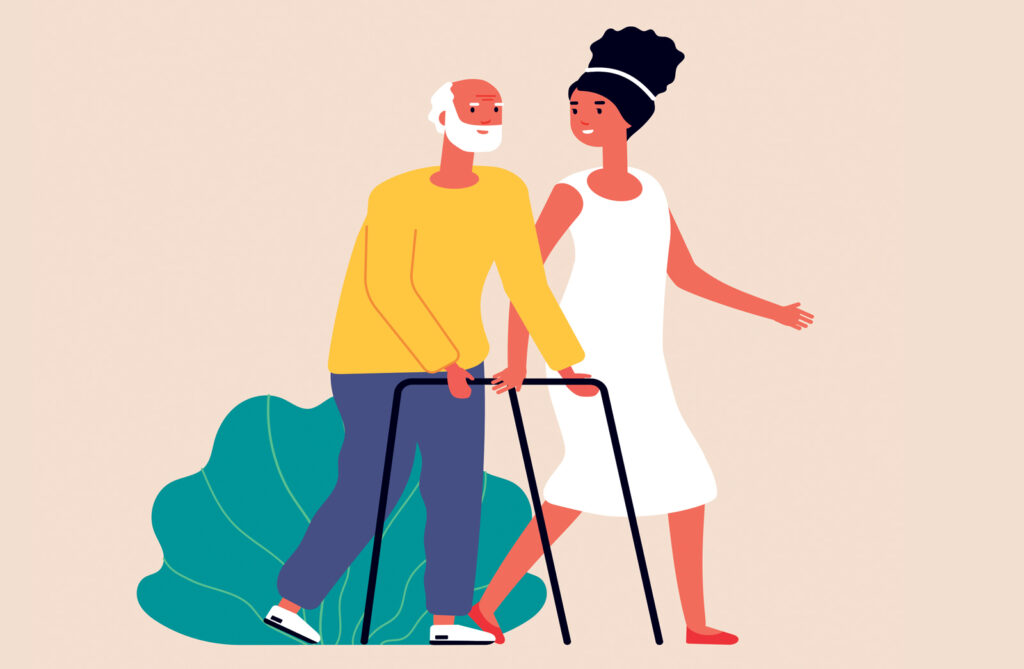
In a recent ShiftCare webinar, two facilitators explored growing caregiver turnover crisis—79.2% annually. They also shared strategies to improve caregiver retention in home care. Rising job competition, limited engagement from employers, and increasing stress were key drivers of turnover. Many caregivers feel isolated, underappreciated, and overworked, prompting them to seek better-paying, less stressful jobs in other industries.
Speakers suggested that homecare agencies work to foster a sense of connection and recognition through the use of regular communication, emotional support, and small but meaningful rewards.
In addition, recognizing high-quality performance and offering user-friendly technology was reported to improve caregiver satisfaction. Maintaining caregiver mental health is also vital, for family caregivers who face emotional burnout, anxiety, and depression. Support groups, counseling, and respite care is a way to help caregivers cope and remain in roles.
Care management software, such as ShiftCare, can help to support retention by streamlining scheduling, enhancing communication, and tracking caregiver performance. These tools promise to reduce administrative burden while boosting caregiver engagement.
The bottom line—prioritizing relationships and mental well-being, turnover can slow at the same time as care can improve—steps to building a more resilient workforce.
Source: ShiftCare
Images: Shutterstock