Despite, its significance, many remain unaware of the impact and origins of the Accessible Canada Act.
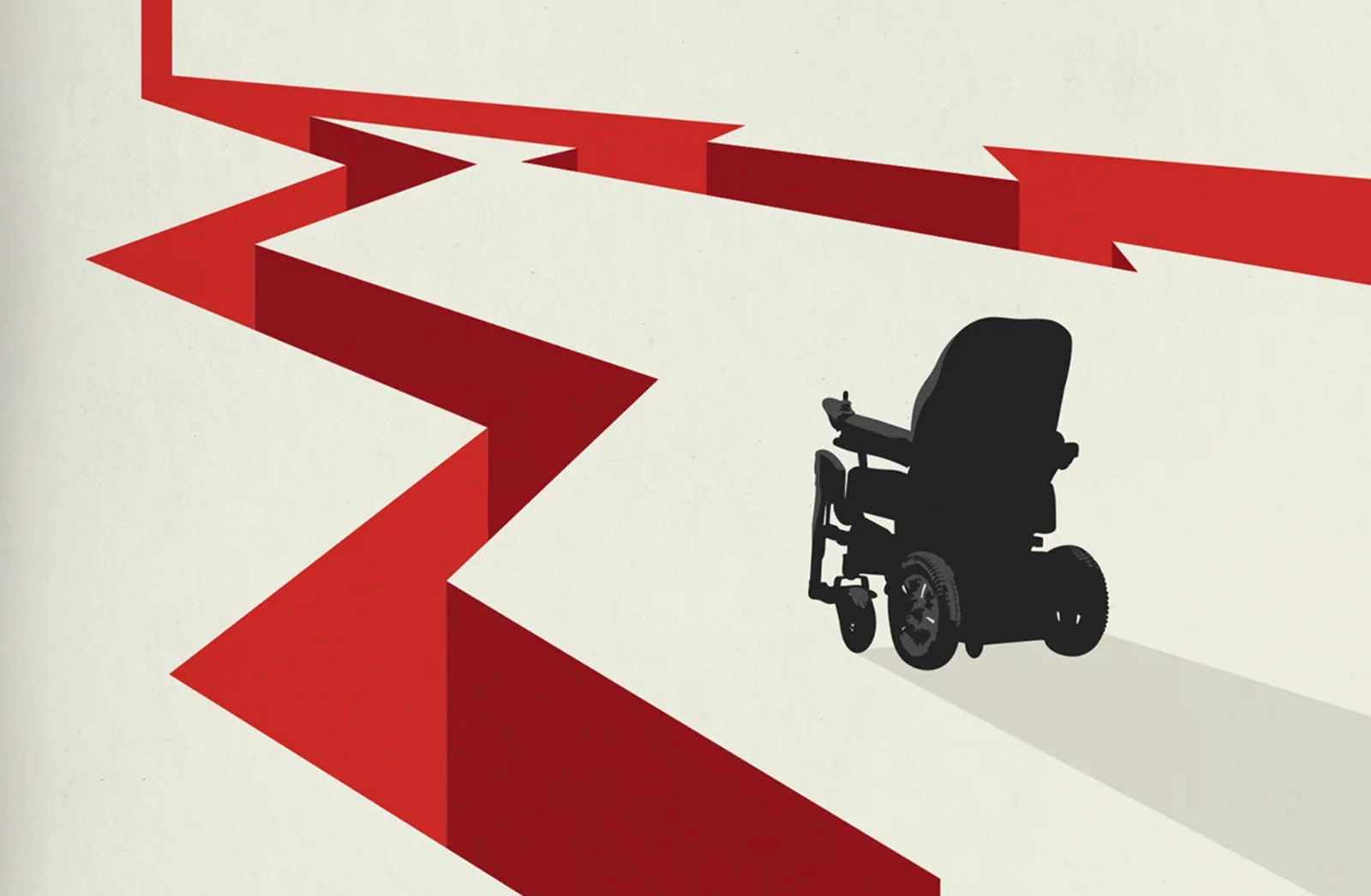
Written by an accessibility advocate and one of the lead drivers behind the Accessible Canada Act, The Race to the Starting Line: What you need to know about the Accessible Canada Act for Making a Barrier Free Society examines the physical architectural, technological and attitudinal obstacles faced by Canadians living with disabilities.
According to Brault, who has decades of experience in both the public service and consulting, few laws since the Charter of Rights and Freedoms have had as much impact as the Accessible Canada Act which was passed in 2019. The Act, which he was part of creating, aims to create a barrier-free Canada by 2040 addressing employment, infrastructure and communication, has been called a landmark example of people-driven, grass roots policy making.
The Race for the Starting Line, released in May of 2025, unpacks the Act’s key elements, introduces the federal offices enforcing it and shares powerful stories of resilience. It’s a clear roadmap, a call to action and a compelling case for providing equal opportunities for all.
Here’s an excerpt from Brault’s optimistic conclusion to a book that should be essential reading for all of us:
“I have a flight to catch, but I’m not worried. Even though it’s winter, the path outside has been cleared of snow and it’s easy enough for me to get out of my house and down the sidewalk to the transit station near my home. Fare payment is quick and easy because all the machines and gates are at a comfortable level, and there are attendants if there is any issue. I take the elevator to track level, and a comfortable light rail train takes me right to the airport. Stops are announced clearly in three languages: English, French and signing on a screen with captions too.
Checking in is a breeze. The airline and airport were expecting me because everything has been arranged, communicated and verified well beforehand. Plus, an AI assistant alerts staff that I have checked in and tells them what I need, where and when. Staff direct me through security and ensure I get to my gate. I don’t have to explain anything about my travel needs because this is all standard procedure.
While I’m waiting in the terminal I catch a moment of the news on an overhead TV. The sound isn’t on but there’s easily visible simultaneous signing. Even with the little bit of signing I have been taught, I can see it is an important announcement, and I’ll follow up as soon as I can. For now, I’ve just been called to my flight.
Boarding is a breeze. My powered wheelchair fits perfectly down the gangway and onto the plane and, because it’s been designed cooperatively with the air travel industry, it slides smoothly into a space where a special airline seat folds up to reveal clasps to safely secure my chair for the flight. I take comfort in knowing that because of procurement rules it was designed, built, or assessed by carious disability owned companies, so I am confident that all my needs have been considered. As we take off, the pilot announces it’s a beautiful day with clear skies ahead.
Does that sound like fantasy? It shouldn’t. This is my prediction, and we’re well on our way to realizing it. A lot of these ideas are already in development. Some of the simpler concepts we could be doing already. And the rest is not as futuristic as it may seem.
But none of it happens without you. Whether you run for office, have a start-up, advocate as part of a group, or write letters to your representatives in government – or anything in between- we need you. With any question of accessibility, whether it’s physical or digital, at work or at play, you now have a remarkable, flexible tool to solve the problem. Whatever you’re passionate about, whatever you see in our society. That you feel strongly isn’t right, you have the power to make real, lasting change. With the Act behind us, we can do more than advocate: we can hold our leaders accountable to a barrier-free Canada.
When I look at the generation of people coming up now, I am filled with so much hope. This is a cohort that does not accept the status quo, that knows its value and demands better from the world. This is exactly the attitude we need. It’s the head space we had when we wrote the Accessible Canada Act, and we have to keep up that momentum. This is just the starting line.”
Max L. Brault is an Ottawa-based accessibility consultant and disability activist.
Image: Max Brault SMA Foundation