The ability to change direction without losing what you’ve built is a valuable skill that you’ve hopefully developed– consciously or unconsciously as a compounding investment in your career.
Years worth of energy, training, time and effort has earned you both a solid reputation and a body of knowledge as well as a trusted network of like-minded professionals. And, without a doubt, every day on the job, every experience, every judgement, every adventure and yes, every challenge, has propelled you forward. Yet in today’s perma-change workplace where sudden transformations are driven by rapid integration of new technologies, the pace of change and the need for continuous motion and upskilling can be disconcerting.
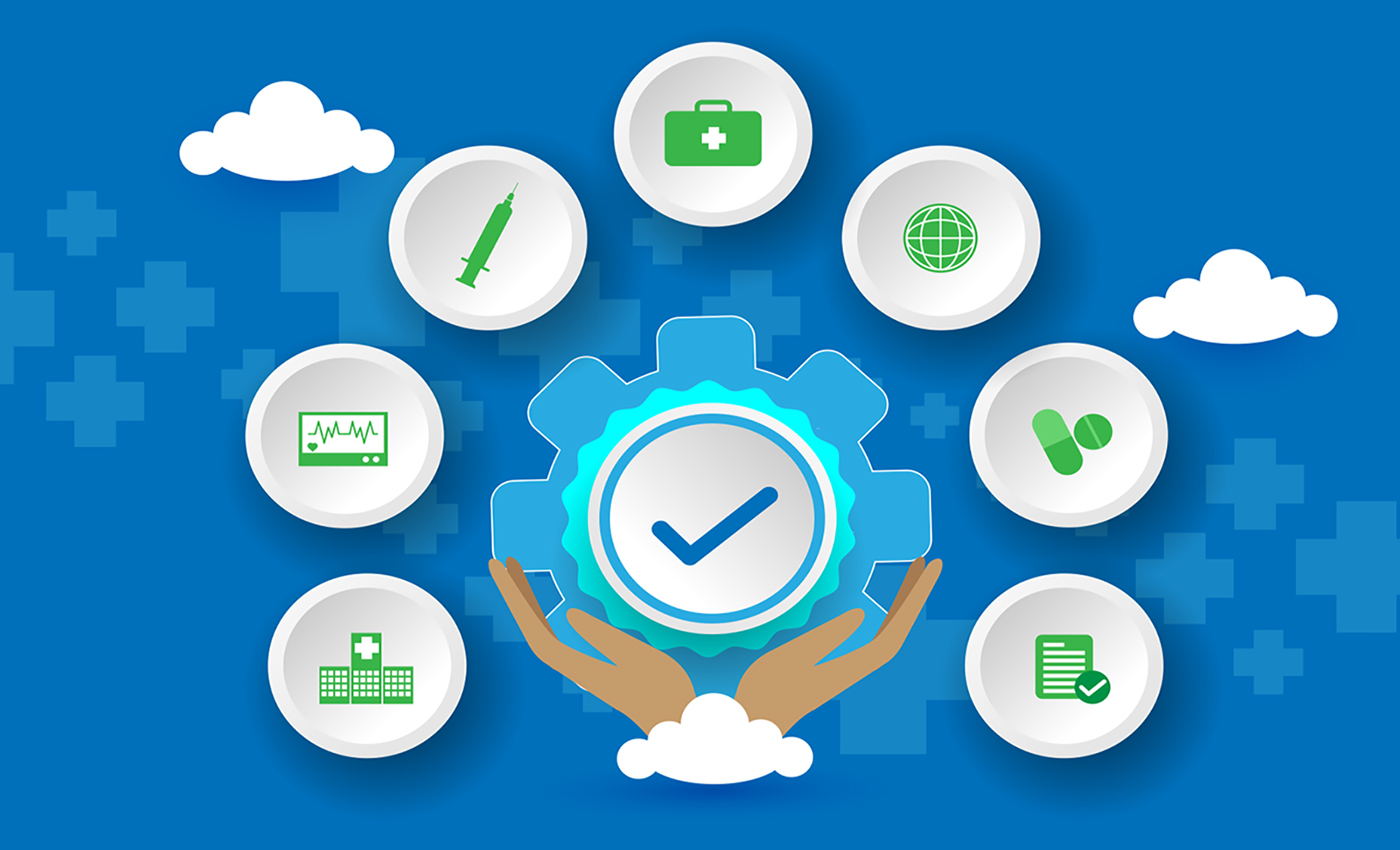
Artificial intelligence is no longer just a trend but a foundational tool, accelerating drug discovery timelines, offering next-gen diagnostics and revolutionizing patient tracking. Molecular and Precision Medicine will now allow for highly targeted, more personalized treatments. And, the re-configured fields of data management and medical ethics are more necessary than ever.
The world of work in rehabilitation and community care medicine is indeed changing but so are the opportunities for those willing to adapt. Firstly, it is predicted that healthcare and its related services will add thousands of jobs over the next ten to twenty years albeit it with a different mix of roles given the burgeoning and complex needs presented by our aging population. Secondly, we can celebrate the fact that there’s an ongoing move to prevention, supporting independent living and aging in place. This will lead to a greater emphasis on homecare, local, caregiver / family supports and growing use of personal care and telehealth technologies. And, thirdly, and most significant, there’ll be a hiring groundswell in areas like health informatics, genetics and data sciences and machine learning.
Yes…Those who are willing to flex and learn will enjoy remarkable ways to build on existing rehab, communication, diagnostic and surgical skills. Educational opportunities will continue in chronic disease management, and utilization of new wearable, smart tech and robotic technologies as well as tools to navigate a variety of emerging tasks. Think product inventors and designers, clinical AI specialists, healthcare data analysts, medical workflow designers and digital diagnostic techs to mention but a few.
According to experts however, the most demanding area that will continue to challenge us is in the field of mental health services. This will emerge as an area where expertise is needed to support youth, help
those struggling with stress in the workplace, to find solutions for the needs of addiction and recovery patients and, of course, to provide the behavioural care for the aging population.
It’s a lot but it’s certainly worth thinking about and planning your next steps. Call it what you will… a redirect, pivot, or a fresh start… it’s yours to discover.
Caroline Tapp-McDougall
Editor/Publisher
caroline@bcsgroup.com